



 Find US, EU, UK, CA, & AU requirements












Packaging materials are subject to various regulations and other compliance requirements in Australia. These range from warning labelling to chemicals and recycling rules.
This guide serves as an introduction to requirements for consumer product packaging, food packaging, packaging waste, and single-use plastic packaging.
Content Overview

FREE CONSULTATION CALL (30 MIN)
 Ask questions about compliance requirements
- Countries/markets:
.png)
.png)
.png)


- Learn how we can help your business
You will speak with:Ivan Malloci
Packaging Warnings
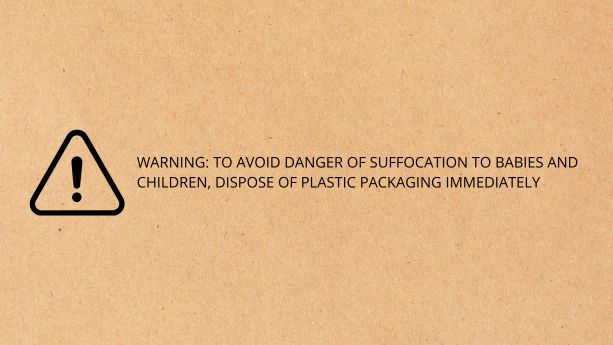
Certain product safety standards require warnings, some of which apply to bags and other packaging materials. The following table summarises packaging warnings under the Consumer Goods (Infant Products) Information Standard 2024:
Packaging
WARNING:
(a) infant should be placed to sleep on a firm, flat surface;
(b) place infant on their back when using this product;
(c) do not put objects or accessories in an infant’s sleep environment;
(d) do not place this product near a blind, cord, strap or similar item that could become wrapped around an infant’s neck.
Plastic packaging
WARNING: TO AVOID DANGER OF SUFFOCATION TO BABIES AND CHILDREN, DISPOSE OF PLASTIC PACKAGING IMMEDIATELY
Safety alert symbol
Such warnings must be accompanied by a symbol that meets the following requirements:
✅ Triangle with an exclamation mark inside
✅ Minimum 6 mm height
Food Packaging
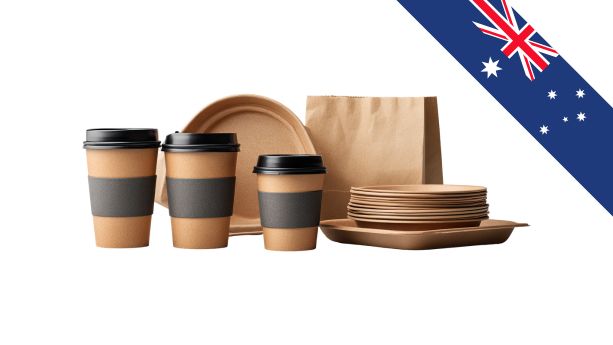
Food packaging materials must meet the requirements set by clause 9 of Standard 3.2.2 of the Food Standards Code:
(a) only use packaging material that is fit for its intended use;
(b) only use material that is not likely to cause food contamination; and
(c) ensure that there is no likelihood that the food may become contaminated during the packaging process.
That said, Standard 3.2.2 does not provide specific substance restrictions or migration levels. Instead, it is focused on the outcome, which can, in the context of food packaging, have the following implications:
1. Food packaging should not contain substances that are harmful
2. Food packaging should not affect the taste, smell or other aspect of the food
3. Certain foods (i..e, acidic foods) could react with the packaging material, resulting in migration (hence, use the right food packaging for the particular food or beverage).
General limits
Note that other parts of the Food Standards Code set substance restrictions for various substances, such as colouring additives and heavy metals. These are still relevant for food packaging in the sense that the material should not result in the food or beverage exceeding the set limits.
Here are some examples of standards under the Food Standards Code that set substance requirements:
- Standard 1.3.1 Food additives
- 1.3.3 Processing aids
- Standard 1.4.1 Contaminants and natural toxicants
- Standard 1.4.2 Agvet chemicals
- Standard 1.6.1 Microbiological limits in food
Testing
Previously, AS 2070-1999 could be useful when determining which specific substances to test for. However, AS 2070-1999 has been withdrawn and has not been replaced with a newer version since.
So, where does this leave us?
In practice, the only workable approach I can see is to work with a lab to assess the necessary substance and migration tests based on requirements set by the Food Standards Code and FCM substance restrictions that are deemed to be best practices (and likely based on EU and US restrictions).
The Industrial Chemicals Environmental Management Standard (IChEMS)
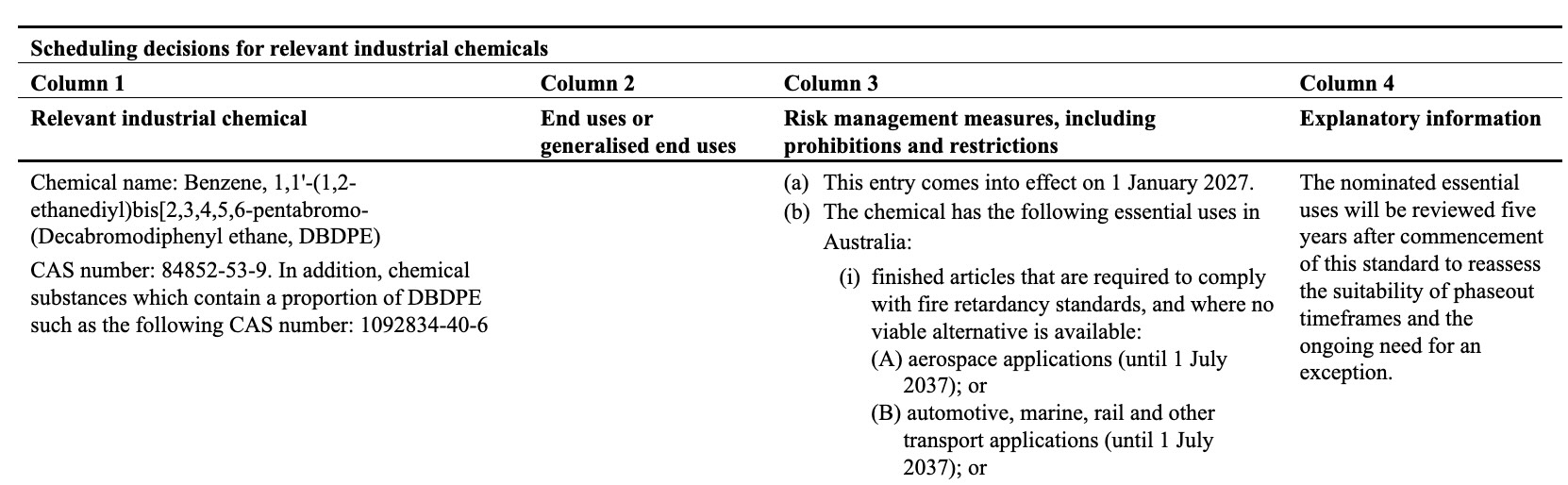
The IChEMS restricts chemicals in mixtures and articles, which can include packaging materials. While it is enforced at a state level, the IChEMS still serve as a reference point for substance restrictions.
1. You can search for substances in the IChEMS Online Register, which can be accessed here.
2. Certain substances are subject to restrictions or are effectively prohibited.
3. You can find the specific requirements under each substance entry
Example
Testing
Not all substances subject to IChEMS restrictions are relevant to packaging materials. Further, different substances are more likely to be found in particular types of packaging materials.
As such, we recommend that you work with a lab to help you determine which specific chemicals and heavy metals to test for.
National Environment Protection (Used Packaging Materials) Measure 2011
National Environment Protection (Used Packaging Materials) Measure 2011 primarily aims to achieve the following:
1. Ensure that packaging is designed to reduce waste
2. Enable the collection and recycling of packaging waste
Companies with an annual turnover of at least 5 million AUD must comply with EPR requirements established by the NEPM. That said, this is managed by the Australian states and territories. You can find more information about reporting and other requirements here.
Single Use Plastic Bans
In Australia, single-use plastic bans are generally set by the different states and territories. Here we list some examples of these bans, although more may exist.
| State / Territory | Single-use plastic bans (examples) |
| New South Wales | Lightweight plastic shopping bags Plastic straws Expanded polystyrene foam (EPS) foodware and cups |
| Victoria | Plastic plates Cutlery, including knives, forks, and spoons Some types of plastic bags |
| Queensland | Plates Cutlery EPS takeaway food containers |
| Western Australia | Thick plastic bags Plastic plates Plastic bowls |
| South Australia | Plastic barrier bags Plastic beverage containers Plastic food containers |
| Tasmania | Plastic shopping bags |
| Northern Territory | Lightweight, checkout-style plastic bags |
| Australian Capital Territory | Plastic cutlery Plastic straws Plastic bags greater than 35 microns in thickness |
FAQ
Are bag warnings required in Australia?
Yes, some mandatory product safety standards set warning labelling requirements for plastic packaging, which generally includes plastic bags.
Is testing required for packaging materials?
Yes, material testing is generally the only way to verify compliance with substance restrictions that can apply to packaging materials.