




 Find US, EU, UK, CA, & AU requirements











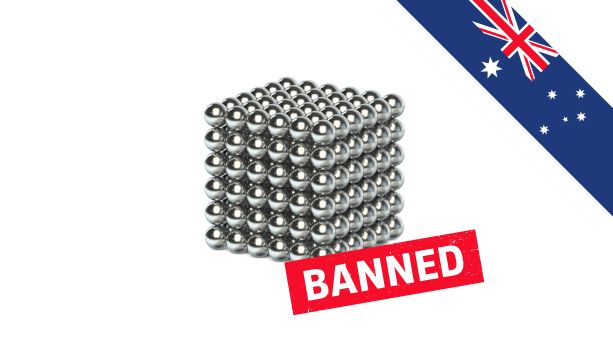
Certain products and substances are subject to bans, which means that supplying them is strictly prohibited. Importing or selling banned products can result in recalls, fines, or even being disqualified from acting as a company director.
This guide will help you determine if a certain product is subject to an existing ban, while also helping you reduce the risk of your products being subject to a new ban.
Content Overview

FREE CONSULTATION CALL (30 MIN)
 Ask questions about compliance requirements
- Countries/markets:
.png)
.png)
.png)

- Learn how we can help your business
You will speak with:Ivan Malloci
Why are products subject to bans in Australia?
The Australian Consumer Law requires certain products to comply with mandatory safety standards. In addition, it also grants the power to the authorities to impose interim bans for products that are deemed to be unsafe or are subject to a recall.
Note that this is the case even for products that are not subject to mandatory product safety standards in the first place.
Some products are deemed to be simply too dangerous, and are thus subject to permanent bans
What is the difference between an interim ban and a permanent ban?
The sections below explain the difference between interim bans and permanent bans for consumer products.
Interim bans
Interim bans can be imposed with short notice for products that may cause injury. These include the foreseeable use and misuse of the product.
Note that products can be subject to interim bans even if no mandatory safety standards apply.
Permanent bans
Certain products are deemed to be too unsafe for consumers and are thus subject to permanent bans. A permanent ban can also follow an interim ban.
Permanent bans apply in all Australian states and territories.
Which products are permanently banned in Australia?
The table below lists products that are permanently banned in Australia.
| Product | Legislation |
| Candles with lead wicks | Trade Practices Act 1974 – Consumer Protection Notice No. 7 of 2002 – Permanent Ban on Goods |
| Combustible candle holders | Competition and Consumer Act 2010 – Consumer Protection Notice No. 12 of 2011 – Permanent ban on combustible candle holders |
| DEHP in children’s plastic items | Competition and Consumer Act 2010 – Consumer Protection Notice No. 11 of 2011 – Permanent ban on children’s products containing more than 1% diethylhexyl phthalate (DEHP) |
| Fire footbags and other such goods | Trade Practices Act 1974 – Consumer Protection Notice No. 4 of 2010 – Permanent Ban on Goods |
| Gas masks with asbestos breathing devices | Trade Practices Act 1974 – Consumer Protection Notice No. 17 of 1993 – Imposition of a Permanent Ban on Goods |
| Glucomannan in tablet form ban | Trade Practices Act 1974 – Consumer Protection Notice – Notice of Permanent Ban |
| Mini jelly cups containing konjac | Trade Practices Act 1974 – Consumer Protection Notice No. 2 of 2004 – Permanent Ban on Goods |
| Novelty cigarette lighters | Competition and Consumer Act 2010 – Consumer Protection Notice No. 18 of 2011 – Permanent ban on toy-like novelty cigarette lighters |
| Novelty cigarettes | Competition and Consumer Act 2010 – Consumer Protection Notice No. 15 of 2011 – Permanent ban on novelty cigarettes |
| Sky lanterns | Competition and Consumer Act 2010 – Consumer Protection Notice No. 17 of 2011 – Permanent ban on sky lanterns |
| Small high-powered magnets | Competition and Consumer Act 2010 – Consumer Protection Notice No. 5 of 2012 – Imposition of Permanent Ban on Small, High Powered Magnets |
| Swimming pools and spas with unsafe design features | Competition and Consumer Act 2010 – Consumer Protection Notice No. 16 of 2011 – Permanent ban on pools and spas with unsafe design features |
| Tinted headlight covers | Trade Practices Act 1974 – Consumer Protection Notice No. 7 of 2003 – Permanent Ban on Goods |
| Tongue studs without holes | Trade Practices Act 1974 – Consumer Protection Notice No. 18 of 2010 – Permanent Ban on Goods |
| Toothpaste containing diethylene glycol | Trade Practices Act 1974 – Consumer Protection Notice No. 4 of 2009 – Unsafe Goods Notice |
| Toys that inflate and contain beads | Competition and Consumer Act 2010 – Consumer Protection Notice No. 13 of 2011 – Permanent ban on inflatable toys, novelties and furniture containing beads |
| Undeclared knives or cutters in art, craft and stationery sets | Competition and Consumer Act 2010 – Consumer Protection Notice No. 19 of 2011 – Permanent ban on undeclared knives or cutters in art, craft and stationery sets |
| Yo-yo water balls | Competition and Consumer Act 2010 – Consumer Protection Notice No. 20 of 2011 – Permanent ban on yo-yo water balls |
How do I know if our product is subject to a ban?
Start by checking the table above. If your product is listed, then it is likely subject to a permanent ban.
You can also find information about product bans on the following websites:
- ACCC Product Safety website
- Australian Federal Register or Legislation
Can additional products be subject to bans?
Yes, additional products can be subject to interim bans if any of the following occur:
1. Someone is injured by a particular product
2. The authorities deem a particular product type to be generally unsafe
Note that products that belong to a particular category can be subject to bans, even if the specific product itself has not resulted in any injuries.
Certain products that become subject to interim bans are later subject to permanent bans. Interim bans can also be followed by new mandatory standards for the affected product type.
How can we avoid product bans being imposed?
As mentioned above, products that are unsafe can be banned even if they are not covered by mandatory product safety standards. It is therefore in your interest to ensure that your product is as safe as it can be.
Here are some ways this can be achieved:
✅ Identify voluntary AS or AS/NZS standards
✅ If no Australian standards exist, identify any of the following:
- EN standards
- ASTM standards
- IEC standards
- ISO standards
✅ Adjust your product design and specifications based on the relevant standards
✅ Arrange third-party safety testing to verify compliance with standards
Are there penalties for selling banned products?
Yes, selling banned products in Australia can have severe consequences. Here are some examples of such consequences:
- Product recalls
- Fines
- Company director disqualification
- Court action
What can happen if we import banned products?
Importing products subject to bans can result in the goods being seized and destroyed by the Australian Border Force. It is therefore essential that you verify that your products are not subject to bans before placing an order.
Which chemicals are banned in consumer products?
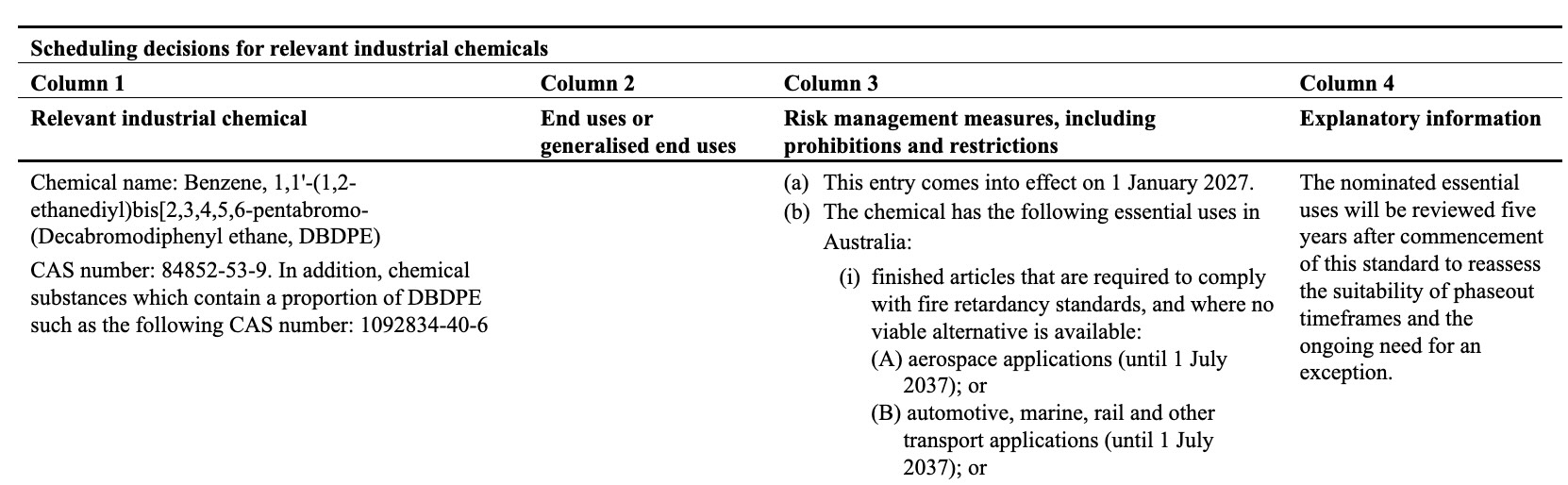
Bans apply to DEHP and lead for certain products. Note that additional chemicals are subject to restrictions under the Industrial Chemicals Environmental Management Standard (IChEMS) and other substance regulations.
Example