





 Find US, EU, UK, CA, & AU requirements












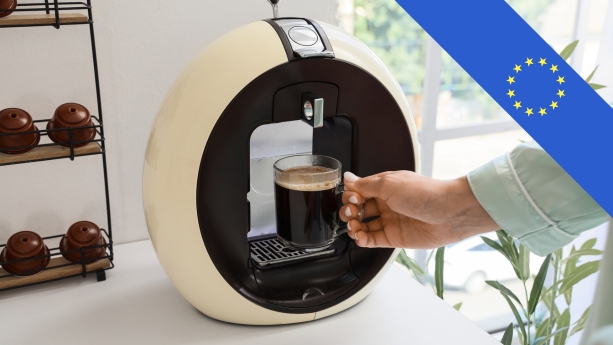
Kitchen appliances imported or manufactured for sale in the European Union must meet various regulations and directives. This guide serves as an introduction to several EU regulations and directives related to both electrical and non-electrical kitchen appliances.
Electrical Kitchen Appliance Examples
- Blenders
- Coffee machines
- Fridges
- Ovens
- Toasters
- Electric steamers
- Electric kettles
- Air fryers
- Rice cookers
- Induction cooktops
- Battery-powered appliances
Non-Electrical Kitchen Appliances
- French presses
- Meat grinders
- Mortars
- Garlic presses
- Can openers
- Hand-powered pasta makers
- Hand-powered juicers
Content Overview

FREE CONSULTATION CALL (30 MIN)
 Ask questions about compliance requirements
- Countries/markets:
.png)
.png)
.png)


- Learn how we can help your business
You will speak with:Ivan Malloci
Electrical Kitchen Appliances
Blenders, toasters, and other electrical kitchen appliances are covered by several EU regulations and directives mandating CE marking and other requirements. Below follow examples of such regulations and directives:
- Electromagnetic Compatibility Directive 2014/30/EU
- RoHS Directive 2011/65/EU
- Low Voltage Directive 2014/35/EU
- Radio Equipment Directive 2014/53/EU
- Cyber Resilience Act (Regulation (EU) 2024/2847)
- Batteries Regulation (EU) 2023/1542
- Ecodesign Directive 2009/125/EC
- Ecodesign for Sustainable Products Regulation 2024/1781
- Energy Labelling Framework Regulation (EU) 2017/1369
- Machinery Regulation (EU) 2023/1230
Example A: Coffee Machine
Coffee machines with an internal power supply must, due to the voltage range, comply with the Low Voltage Directive 2014/35/EU.
Further, the following applies to most electrical appliances by default:
- Electromagnetic Compatibility Directive 2014/30/EU
- RoHS Directive 2011/65/EU
Example B: Battery-Powered Blender (Bluetooth)
The specific requirements depend on the parameters of the product. For example, kitchen appliances with moving parts may need to comply with the Machinery Regulation (EU) 2023/1230.
If it also contains batteries and has Bluetooth functionality, then the following may also apply:
- Batteries Regulation (EU) 2023/1542
- Radio Equipment Directive 2014/53/EU
Product standards
Several EU regulations and directives mandate compliance with applicable harmonised standards. Here are some examples of product standards relevant to electrical kitchen appliances:
EN 60335-2-6 – Household and similar electrical appliances – Safety – Part 2-6: Particular requirements for stationary cooking ranges, hobs, ovens and similar appliances
EN 60335-2-9 – Household and similar electrical appliances – Safety – Part 2-9: Particular requirements for grills, toasters and similar portable cooking appliances
EN 60335-2-16 – Household and similar electrical appliances – Safety – Part 2-16: Particular requirements for food waste disposers
EN 60335-2-36 – Household and similar electrical appliances – Safety – Part 2-36: Particular requirements for commercial electric cooking ranges, ovens, hobs and hob elements
EN 60335-2-49 – Household and similar electrical appliances – Safety – Part 2-49: Particular requirements for commercial electric appliances for keeping food and crockery warm
EN 60335-2-39 – Household and similar electrical appliances – Safety – Part 2-39: Particular requirements for commercial electric multi-purpose cooking pans
EN 13886 – Food processing machinery – Cooking kettles equipped with powered stirrer and/or mixer – Safety and hygiene Requirements
Labelling requirements
Here are some examples of key labelling requirements for kitchen appliances:
| Example | Description |
 |
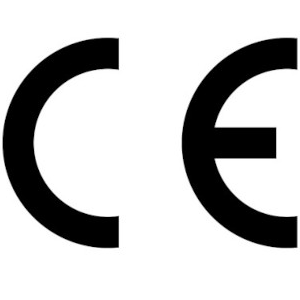
CE marking is required for electrical kitchen appliances in the EU |
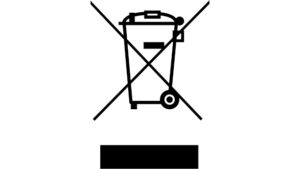 |
The WEEE symbol is required for electronic products in the EU |
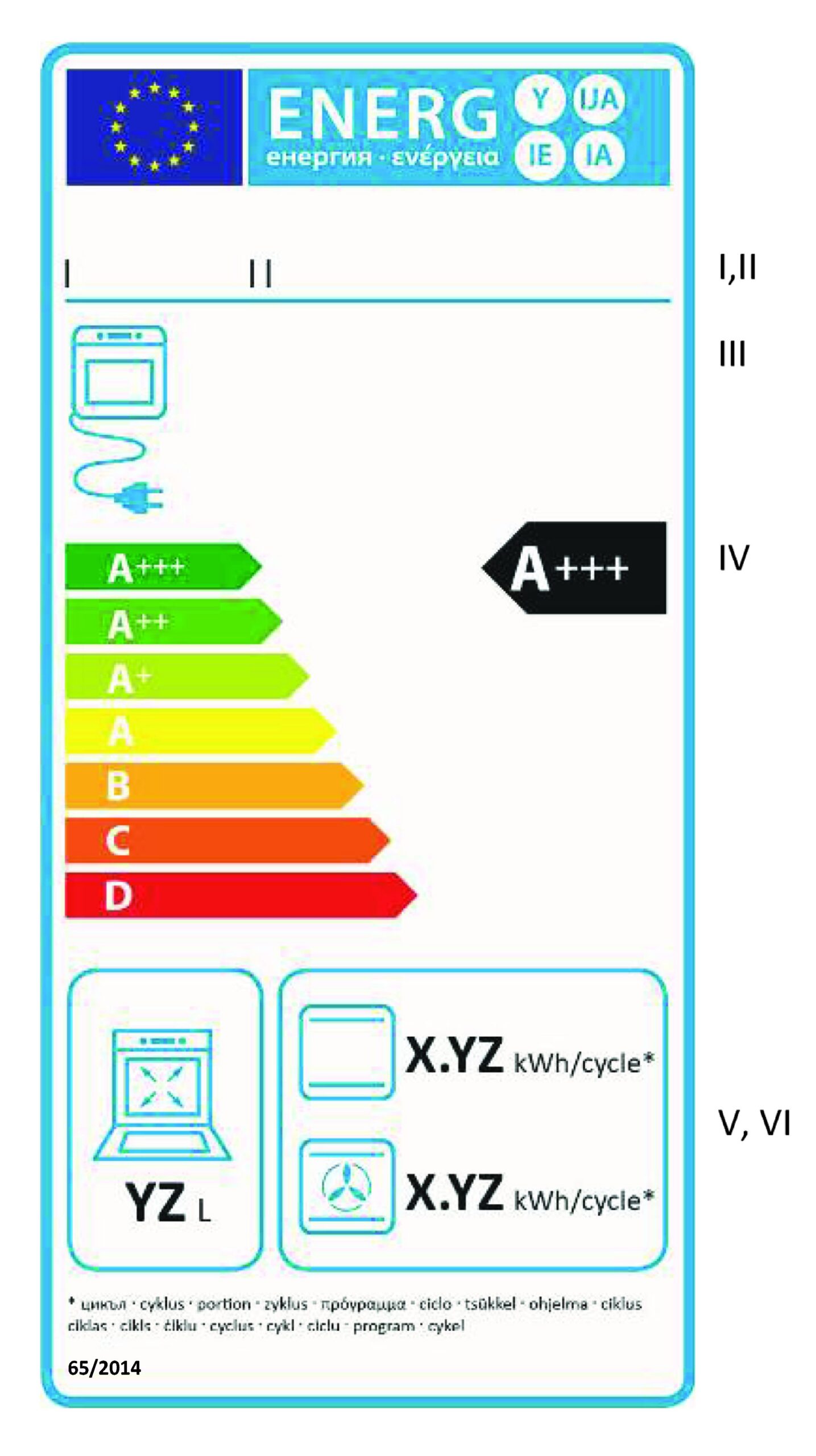 |
Certain electrical kitchen appliances require energy labelling. This may include the following:
|
Note that traceability information concerning the product, manufacturer, importer and EU AR is also required. Warnings may also be necessary.
Instructions
Kitchen appliances must generally be accompanied by instructions that provide the consumer with the following information:
- Correct usage
- Electrical parameters
- Safety information
- Precautions
- Warnings
- Installation
- Maintenance
- Disposal
Documentation
Various CE marking regulations and directives applicable to electrical kitchen appliances require the following documentation:
1. Declaration of Conformity
2. Technical documentation
3. Test reports
Food Contact Materials
Kitchen appliances are generally intended to be in contact with food. As such, you must also ensure compliance with various food contact materials regulations.
Here are examples of EU food contact materials regulations relevant to kitchen appliances:
- Food Contact Materials Framework Regulation (EC) 1935/2004
- Good Manufacturing Practice for FCM Regulation (EC) 2023/2006
- Plastic FCM Regulation (EU) 10/2011
- Restriction of Use of Certain Epoxy Derivatives in FCM Regulation (EC) 1895/2005
- Recycled Plastic FCM Regulation (EU) 2022/1616
- Ceramic FCM Directive 84/500/EEC
- Active and Intelligent FCM Regulation (EC) 450/2009
- Regenerated Cellulose Film FCM Directive 2007/42/EC
- Use of Bisphenol A in FCM Regulation (EU) 2024/3190
- Polyamide and Melamine Plastic Kitchenware from China or Hong Kong SAR (China) Regulation (EU) 284/2011
- FCM Vinyl Chloride Monomer Directive 78/142/EEC
Some regulations apply to all food contact materials, while others only set requirements for particular materials or substances.
Restricted substances
Food contact materials regulations primarily set restrictions concerning chemical content and migration. Blenders typically have a plastic container. FCM regulations mandate that the plastic cannot contain certain substances, and that these cannot migrate into the food.
Likewise, FCM regulations also apply to internal plastic parts, or even the coating of the blender blades.
Certain substances, such as lead or BPA, are prohibited or must be below a certain level.
Symbol

The symbol above is required under the Food Contact Materials Framework Regulation (EC) 1935/2004 for food contact products that are not “obviously” intended to be in contact with food.
As such, you will rarely see the symbol on a fork or drinking glass. That said, the symbol is fairly common when it comes to kitchen appliances of various kinds, as it may not be immediately obvious that it is a product intended for food contact.
Declaration of Compliance
Certain FCM regulations require that the manufacturer create a Declaration of Compliance. The following must be included in the FCM DoC for products covered by the Plastic FCM Regulation (EU) 10/2011:
- Importer/Manufacturer
- Product name
- List of materials/components
- Statement declaring that the product is compliant with certain regulations
- Information about the substances
- Types of food the material is made for contact with
- Time and temperature
- Information about the test methods
Product testing
Product testing is generally required before kitchen appliances of all kinds may be sold in the European Union. Here are some examples of tests that may be necessary:
1. EMC testing
2. Electrical safety testing (for appliances or external power supplies)
3. Radio testing
4. Battery safety testing
5. Mechanical safety testing (i.e., blender blades)
6. Material substance contents testing
7. Migration of substances testing
FAQ
Which companies provide lab testing for kitchen appliances in the EU?
Here are some examples of companies providing testing services:
- TUV Rheinland
- Intertek
- SGS
- Eurofins
Does the machinery regulation apply to kitchen appliances?
Yes, if the kitchen appliance has moving parts, then it is possible that the product is defined as a machine and therefore subject to the requirements of the EU Machinery Regulation.
Is CE marking required for kitchen appliances?
CE marking is required for electrical kitchen appliances. That said, CE marking may not necessarily apply to kitchen appliances that are hand-powered.





Hi,
We are a start-up company that produces labels which is TTI time and temperature indicators.
A potential customer from Europe wants to use the labels on a food that is placed in an oven to be heated to 250 degrees. What tests are required to ensure that it is safe to use, not in terms of potential risk to food, but potential risk to the oven or the environment (for example. it is not flammable or does not release toxic gas during the heat process, etc.)
Impressed with your site and informative posts. I will upload an inbound link & bookmark this website. Regards, Reader.