


Electromagnetic Compatibility (EMC) Directive: An Essential Guide

Posted on 1 Comment
Need help with compliance? Book a call here

The Electromagnetic Compatibility (EMC) Directive covers electric and electronic equipment that may cause electromagnetic interference with other devices, or that might be disturbed by the electromagnetic field created by other devices.

Some types of electronic devices, such as quartz watches, do not fall under the scope of the directive because they are considered “inherently benign”, in the sense that they do not interfere and are not affected by other devices.

In this guide, we cover what EU importers and manufacturers must know about the directive, including harmonised standards, labelling, documentation, and lab testing requirements.
Continue reading Electromagnetic Compatibility (EMC) Directive: An Essential Guide


Low Voltage Directive (LVD): An Essential Guide

Posted on 1 Comment
Need help with compliance? Book a call here

The Low Voltage Directive (LVD) aims to ensure the safety of electrical and electronic products with an input or output voltage within a certain range. Generally speaking, the Low Voltage Directive applies to devices and their power supply units that can be plugged into the power socket. Hence, it covers both consumer electronics and AC adapters.

In this guide, we explain what importers and manufacturers must know concerning the directive’s safety standards, labelling, documentation, and other requirements.
Continue reading Low Voltage Directive (LVD): An Essential Guide

Heavy Metals Regulations in the European Union: An Overview

Posted on 5 Comments
Need help with compliance? Book a call here

Products ranging from jewellery and watch cases to electronic components and toy paints may contain heavy metals such as lead, cadmium, and mercury. The European Union strictly regulates – and in some cases, prohibits – the usage of these substances, due to their toxicity.

In this article, we summarise several EU regulations and directives covering heavy metals, including REACH, the RoHS Directive, and the Toy Safety Directive.
Continue reading Heavy Metals Regulations in the European Union: An Overview

Heavy Metals Lab Testing: A Complete Guide

Posted on 2 Comments
Need help with compliance? Book a call here

PCB Factory

Lead, cadmium, mercury and other heavy metals are either restricted or banned for use in consumer products in most developed countries. This includes the EU, US, UK and many others.

Verifying that a product or material does not contain restricted heavy metals often requires third-party lab testing.

In this guide, we explain what all brands must know about heavy metals testing costs, materials, substance limitations, risks, and how to handle failed test results. Continue reading Heavy Metals Lab Testing: A Complete Guide

Baby Feeding Bottle Standards and Regulations in the EU: An Overview

Posted on Leave a comment
Need help with compliance? Book a call here

Planning to import or manufacture baby feeding bottles in the European Union? Childcare products, including baby feeding bottles, are strictly regulated. More specifically, baby bottles must both meet strict mechanical safety standards, and food contact material regulations.

In this guide, we cover relevant safety standards, substance restrictions, labelling, documentation, and testing requirements.

In addition, this guide also covers compliance risks that baby feeding bottle importers and manufacturers must be aware of.

Continue reading Baby Feeding Bottle Standards and Regulations in the EU: An Overview

Recreational Craft Directive: Guide for EU Importers and Manufacturers

Posted on Leave a comment
Need help with compliance? Book a call here

Recreational Craft Directive

Planning to import or manufacture recreational crafts in the European Union? This article covers requirements regarding the Recreational Craft Directive, such as the product scope, conformity assessment procedure and modules, documentation, labelling, and lab testing.

Continue reading Recreational Craft Directive: Guide for EU Importers and Manufacturers

Gas Appliances Regulation: Guide for EU Importers and Manufacturers

Posted on 1 Comment
Need help with compliance? Book a call here

Gas Appliances Regulation

Planning to import or manufacture gas appliances and fittings in the European Union? This article provides information about the Gas Appliances Regulation requirements, including CE marking, documentation, harmonised standards, and testing requirements.

Continue reading Gas Appliances Regulation: Guide for EU Importers and Manufacturers

SCIP Database Guide for Importers and Manufacturers

Posted on Leave a comment
Need help with compliance? Book a call here

scip database
If you import or manufacture products for sale in the European Union, you likely need to comply with the requirements set by the Waste Framework Directive (WFD). This includes submitting information to European Chemicals Agency (ECHA) via the SCIP database, when necessary.

In this guide, we explain when you need to submit information concerning your product via the SCIP database, how to submit the required information, what is the relation between the database and the REACH regulation, and more.

Continue reading SCIP Database Guide for Importers and Manufacturers

What is fake CE marking?

Posted on 1 Comment
Need help with compliance? Book a call here

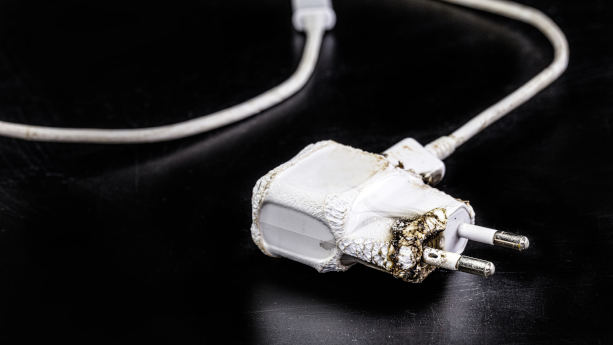
fake ce mark on charger

Some products bearing the CE mark do so without actually being compliant with the required safety and technical requirements. Importing and selling such products can result in fines and sales bans.

In this guide, we explain what fake CE marking is, why such products are available, and what you as a business owner or consumer can do to reduce your risk.

Continue reading What is fake CE marking?

Baby Carrier Safety Standards and Regulations in the European Union

Posted on 8 Comments
Need help with compliance? Book a call here

Baby Carrier

Baby carriers imported to and manufactured in the European Union must be designed to comply with applicable safety requirements in mind. There are also chemicals and heavy metals restrictions to factor in. In addition, baby carriers must also be correctly labelled, and documented.

In this guide, we cover what importers and manufacturers must know about baby carrier compliance requirements, including the General Product Safety Directive (GPSD), EN standards, and REACH.
Continue reading Baby Carrier Safety Standards and Regulations in the European Union