














Compliance Gate Platform: CPSIA Use Case

Compliance Gate Platform + CPSIA
This page explains how you can use the Compliance Gate Platform in relation to CPSIA compliance for children’s products sold in the United States. Note that you must ultimately take action based on the latest version/s of the relevant regulations, guidance pages, or other sources.
Step 1: CPSIA Product Assessment
Complete a 2-minute product assessment to identify product safety rules and
prepare your workspace.
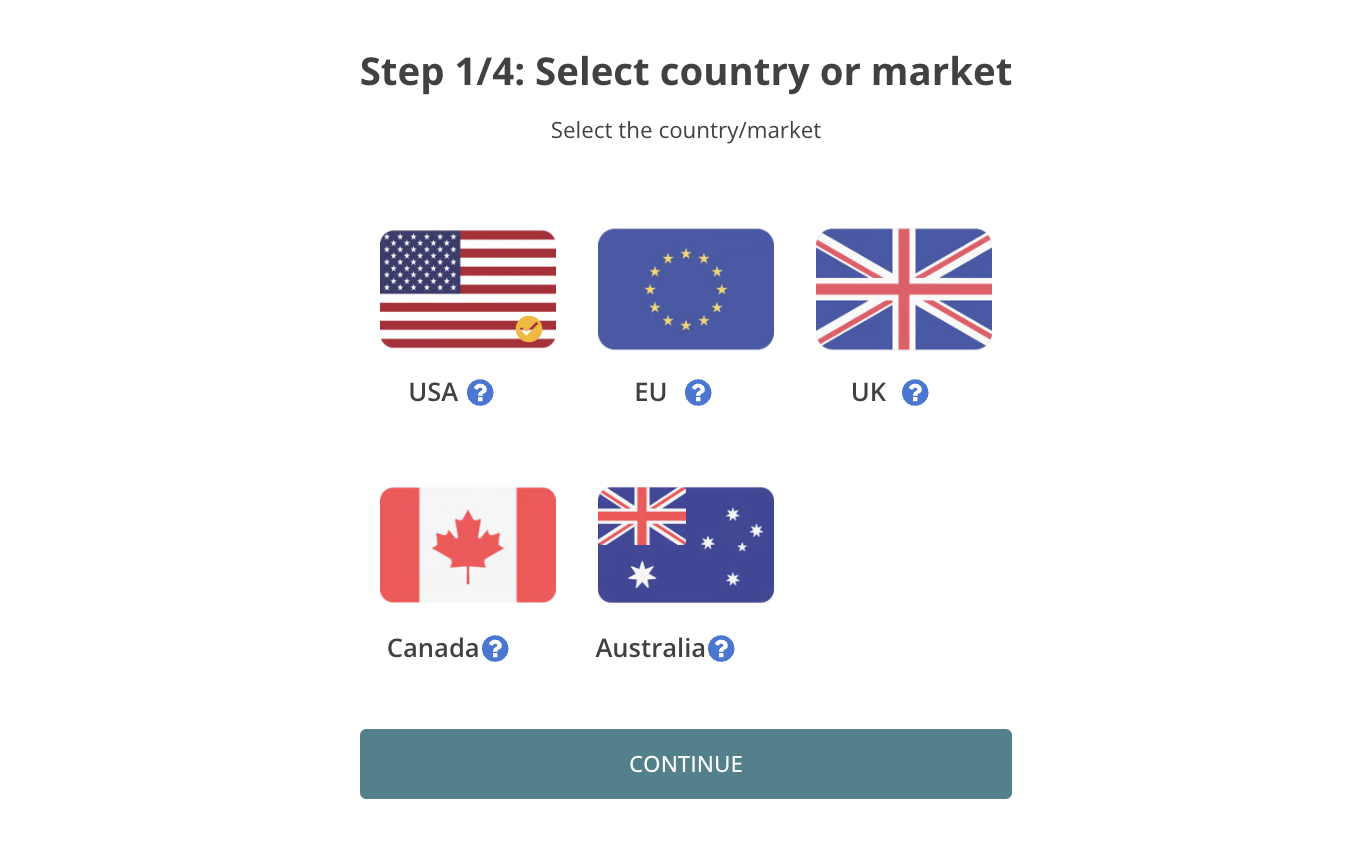
Step 1: Select Country/ Market
Select the United States as the country/market
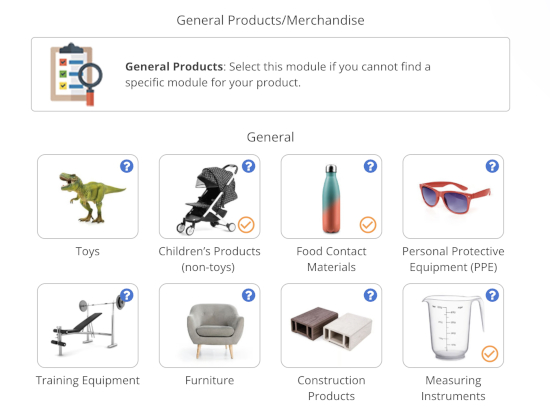
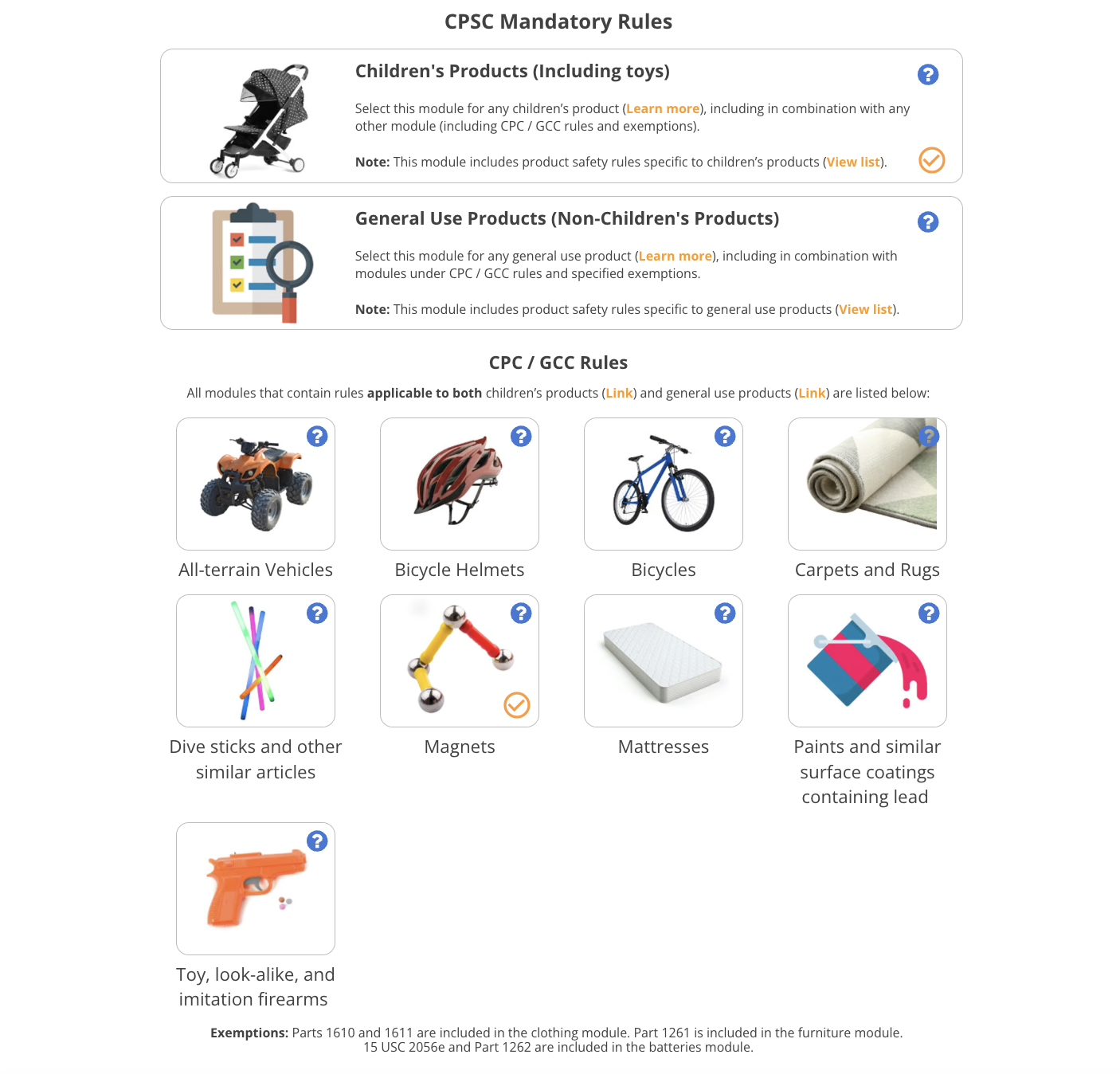
Step 2: Select Product Modules
You select relevant project and product/material modules to add the following to your workspace:
- • Compliance Requirements List
- • Project tasks
- • Suggested templates
- • Suggested widgets
Example: Baby carrier
Modules: Children’s Products + Textiles + Packaging
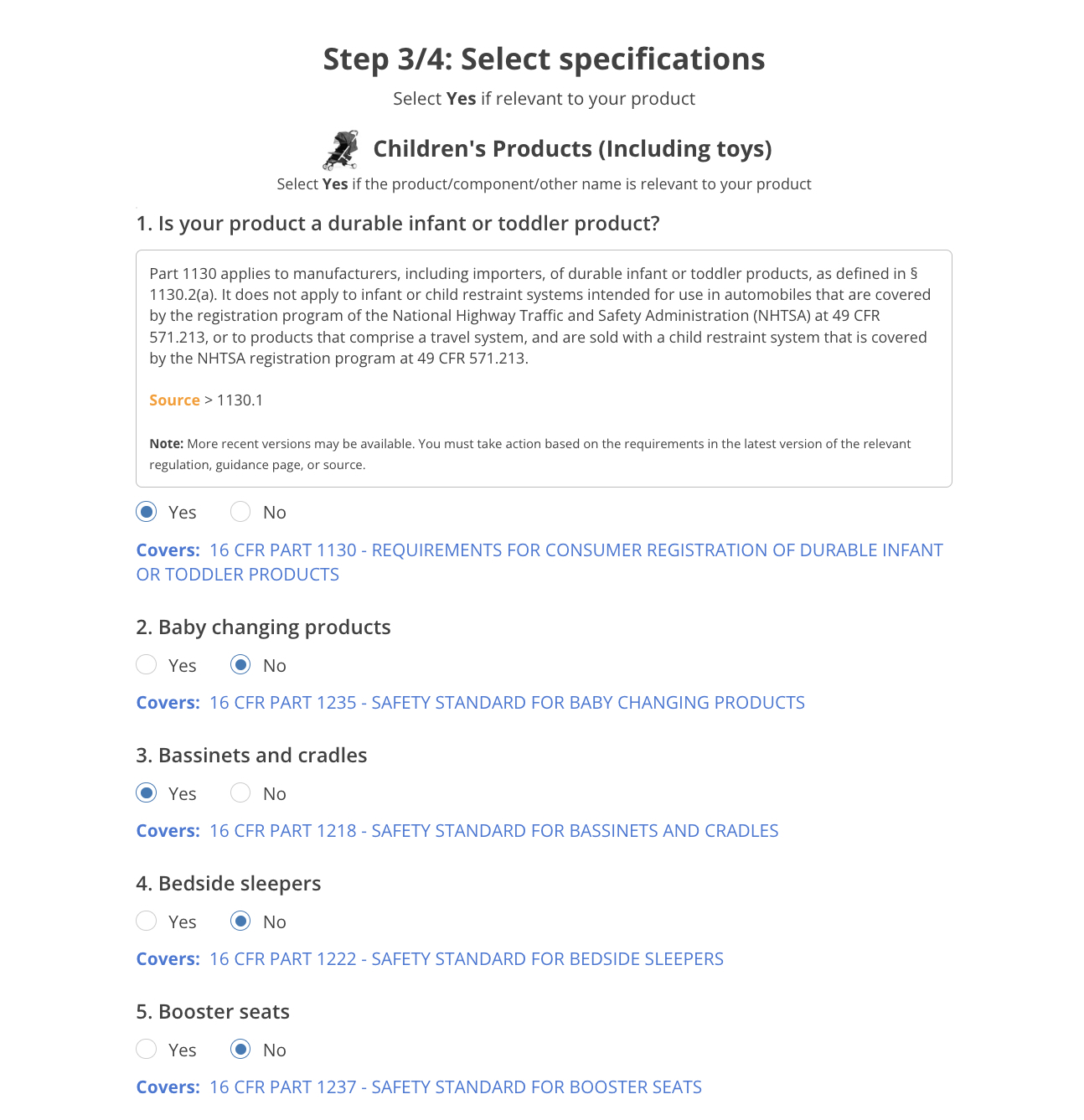
Step 3: Set Specifications
Fine tune your requirements list by answering questions about the following:
- • Product functionality
- • Materials and components
- • Age group
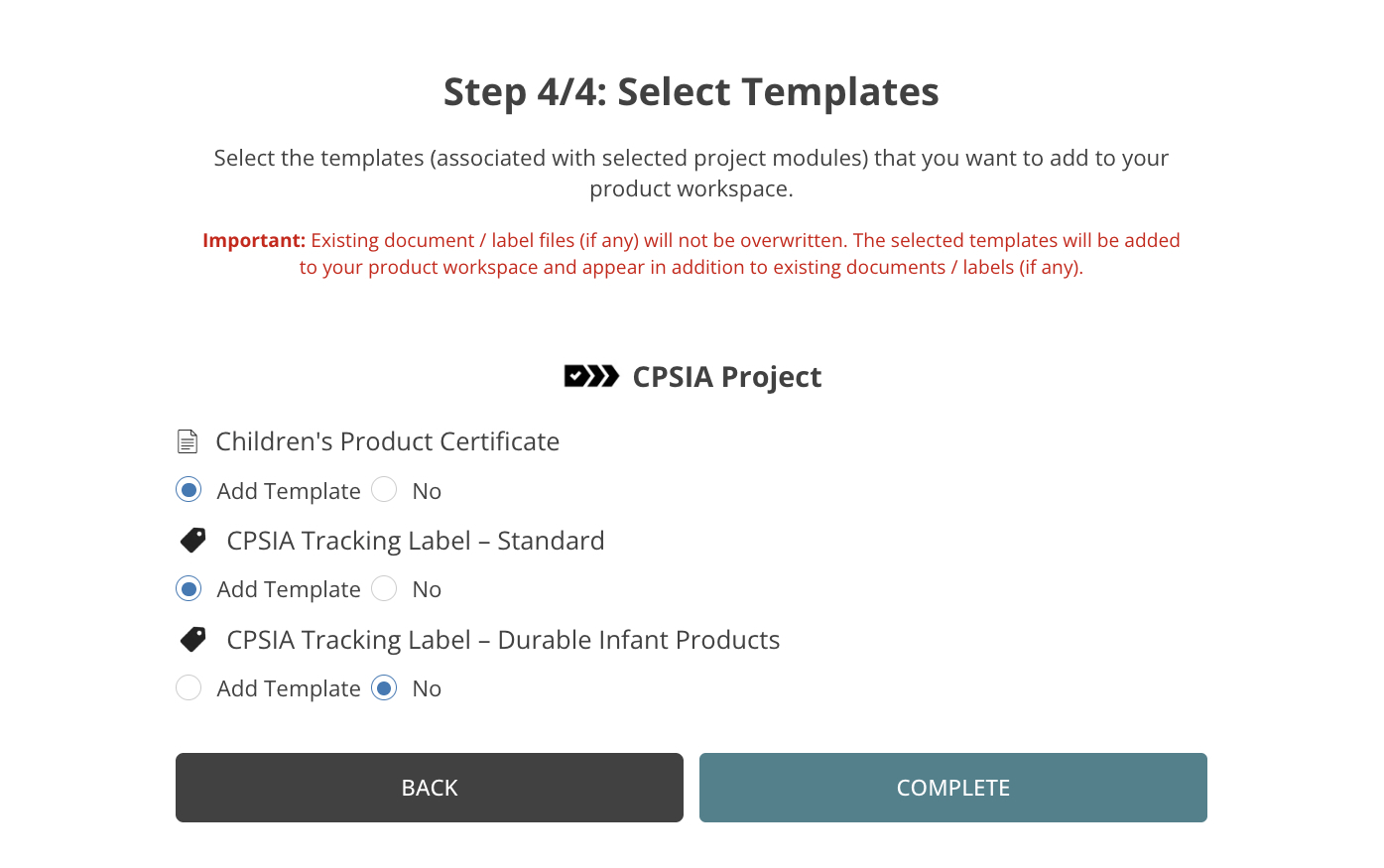
Step 4: Add CPSIA Templates
Based on your inputs, the platform suggests relevant templates and widgets to add to your workspace
Templates
 Children’s Product Certificate (CPC) Template
 - CPSIA Tracking Label Template
CE Marking Workspace Created
The platform prepares a workspace based on the Product Assessment, which contains the following:
- Compliance Requirements List
- Project Modules
- Document templates
- Label templates
- Product Testing
Note: You must ultimately take action based on the requirements in the latest version of the relevant legislation, guidance pages or other sources.
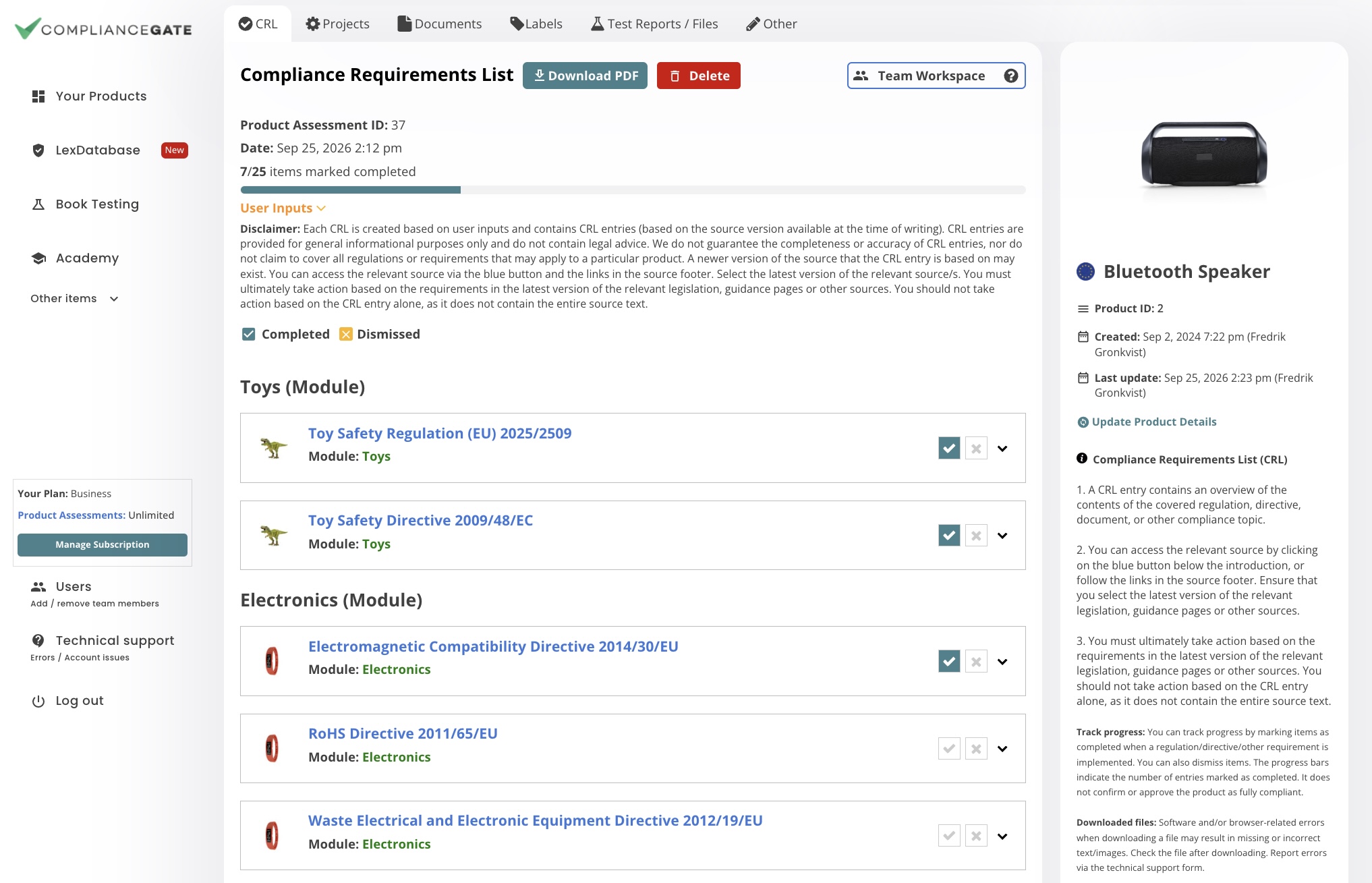
Step 2: CPSIA Workspace
Your workspace contains project modules, requirements lists, templates, and other elements
based on the product assessment. Here, you can complete several key steps of the process.
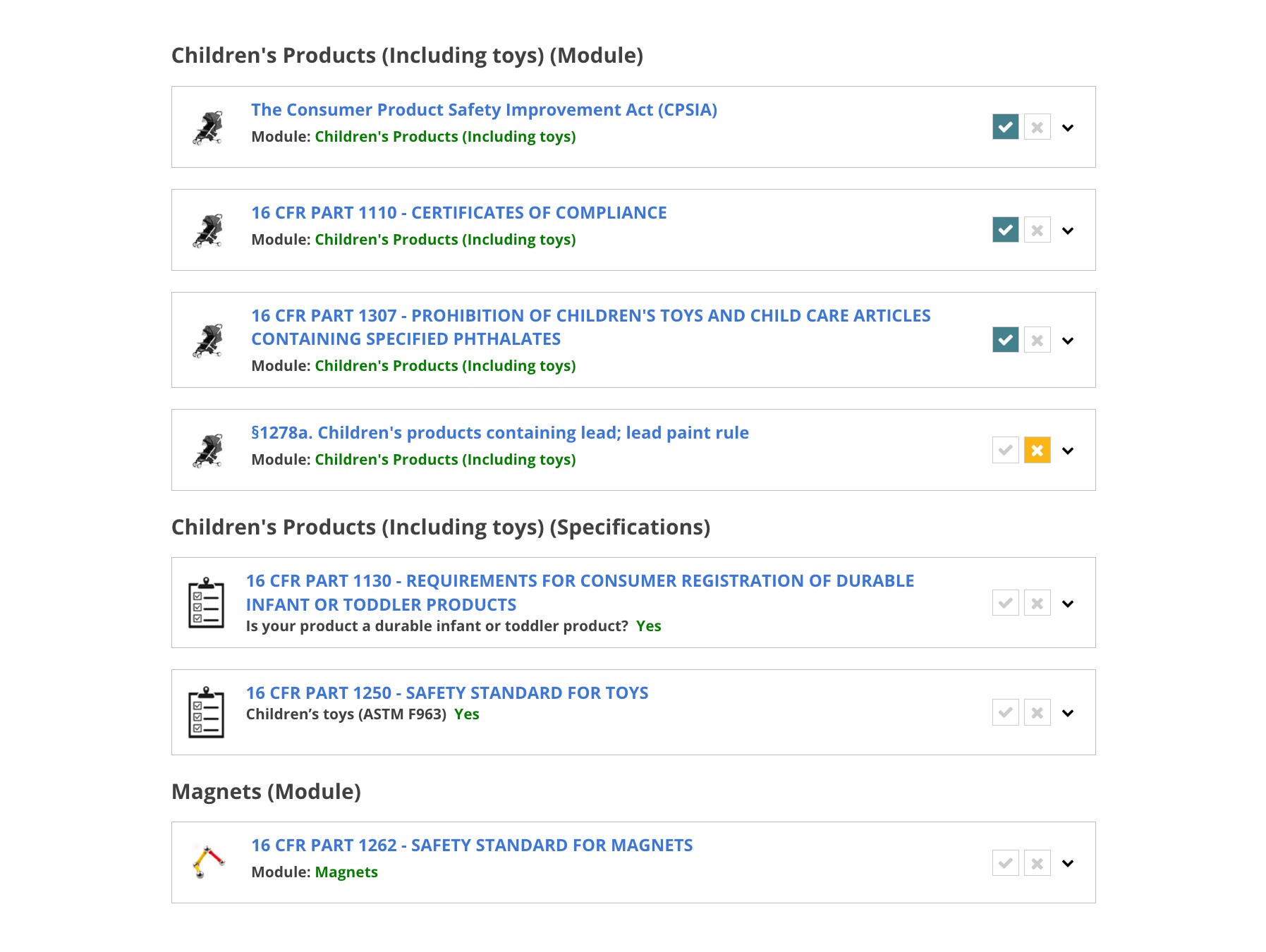
Step 1: Compliance Requirements List
This tab lists children’s product safety rules and other regulations identified during the product assessment.
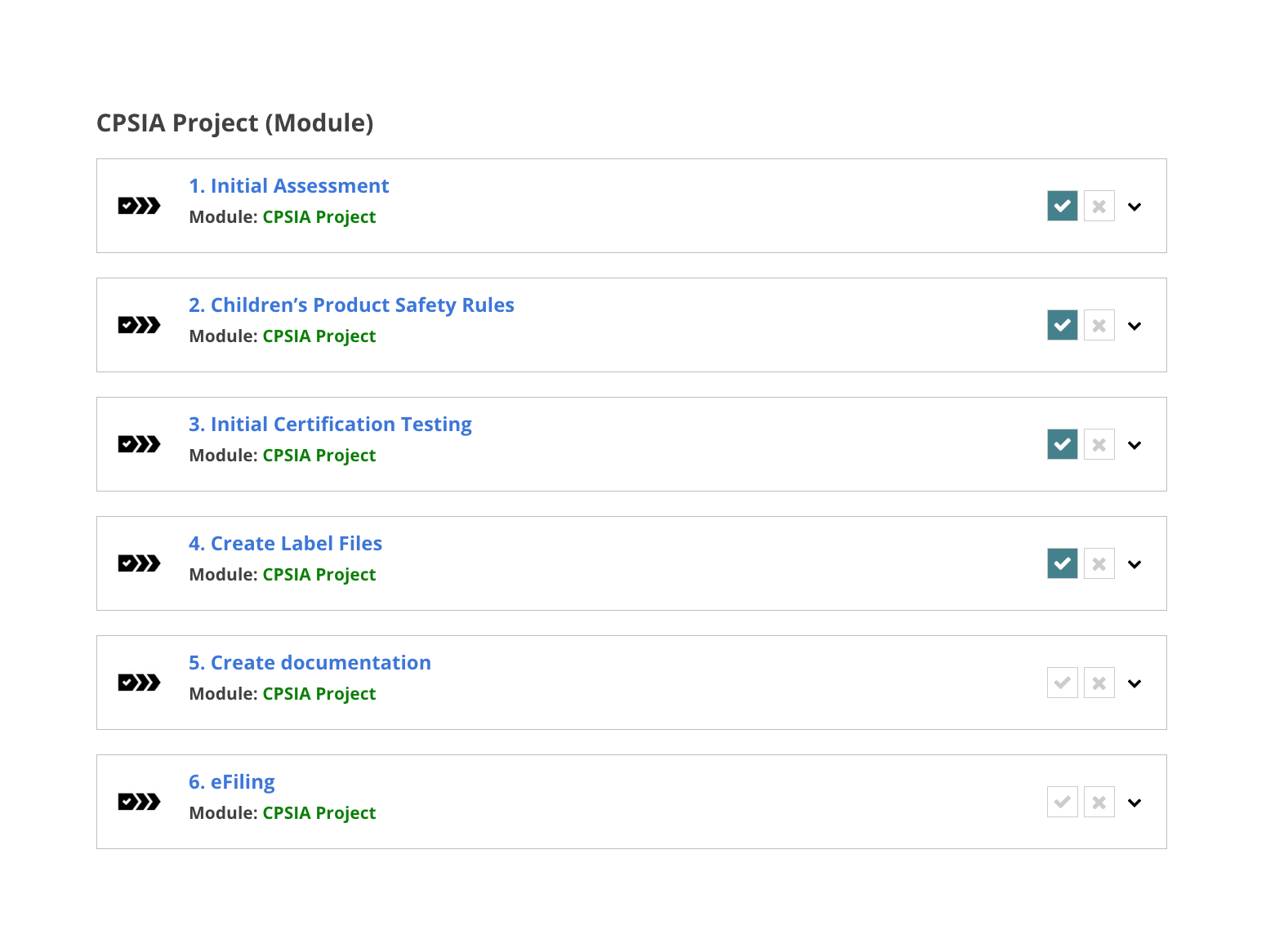
Step 2: CPSIA Project Module
The project modules break down several key steps of the CPSIA process into actionable tasks.
It can also help you and your team track progress.
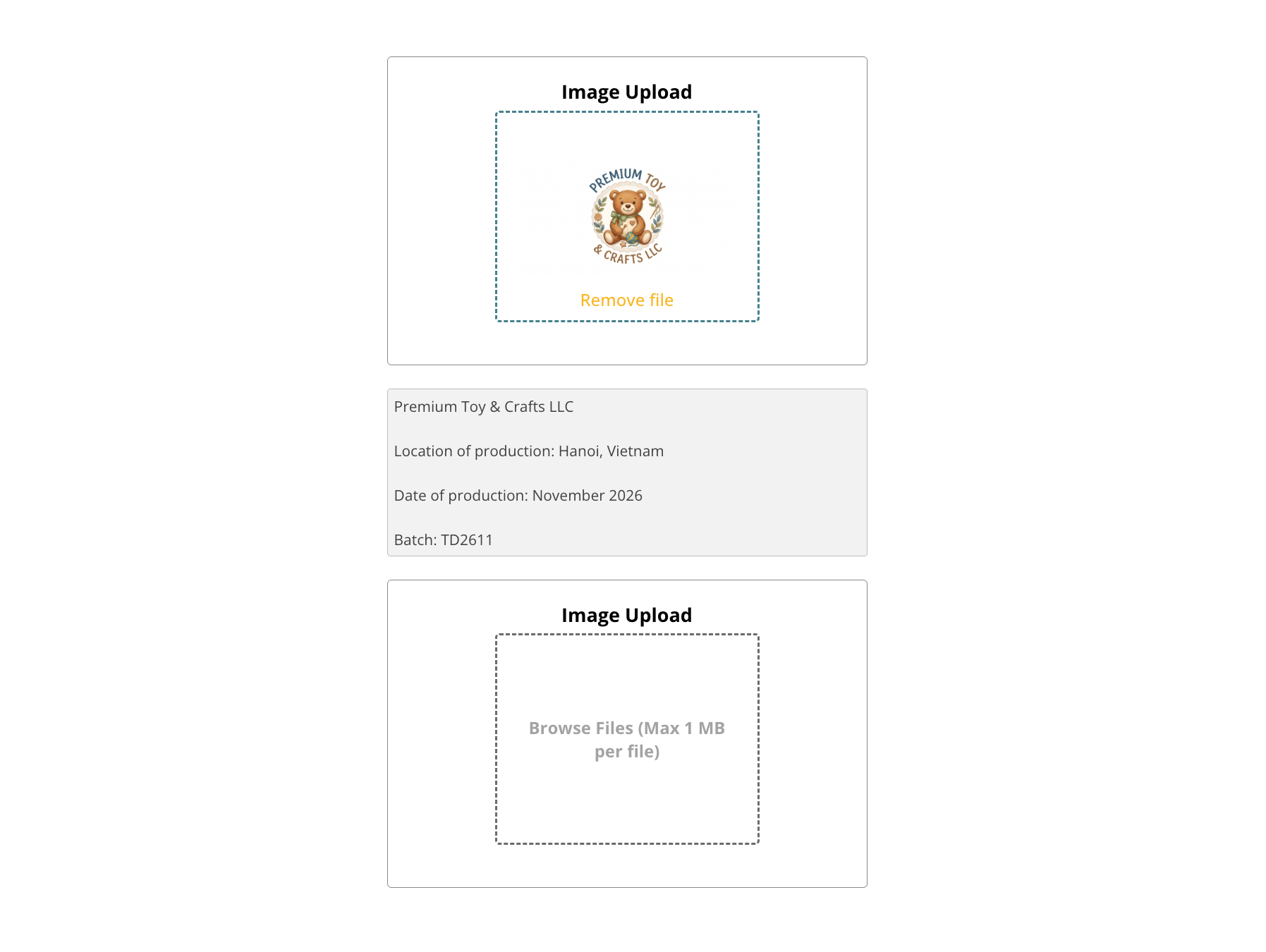
Step 3: Tracking Label Templates
Tracking labels are required for all children’s products sold in the United States
- Create product labels
- Create packaging labels
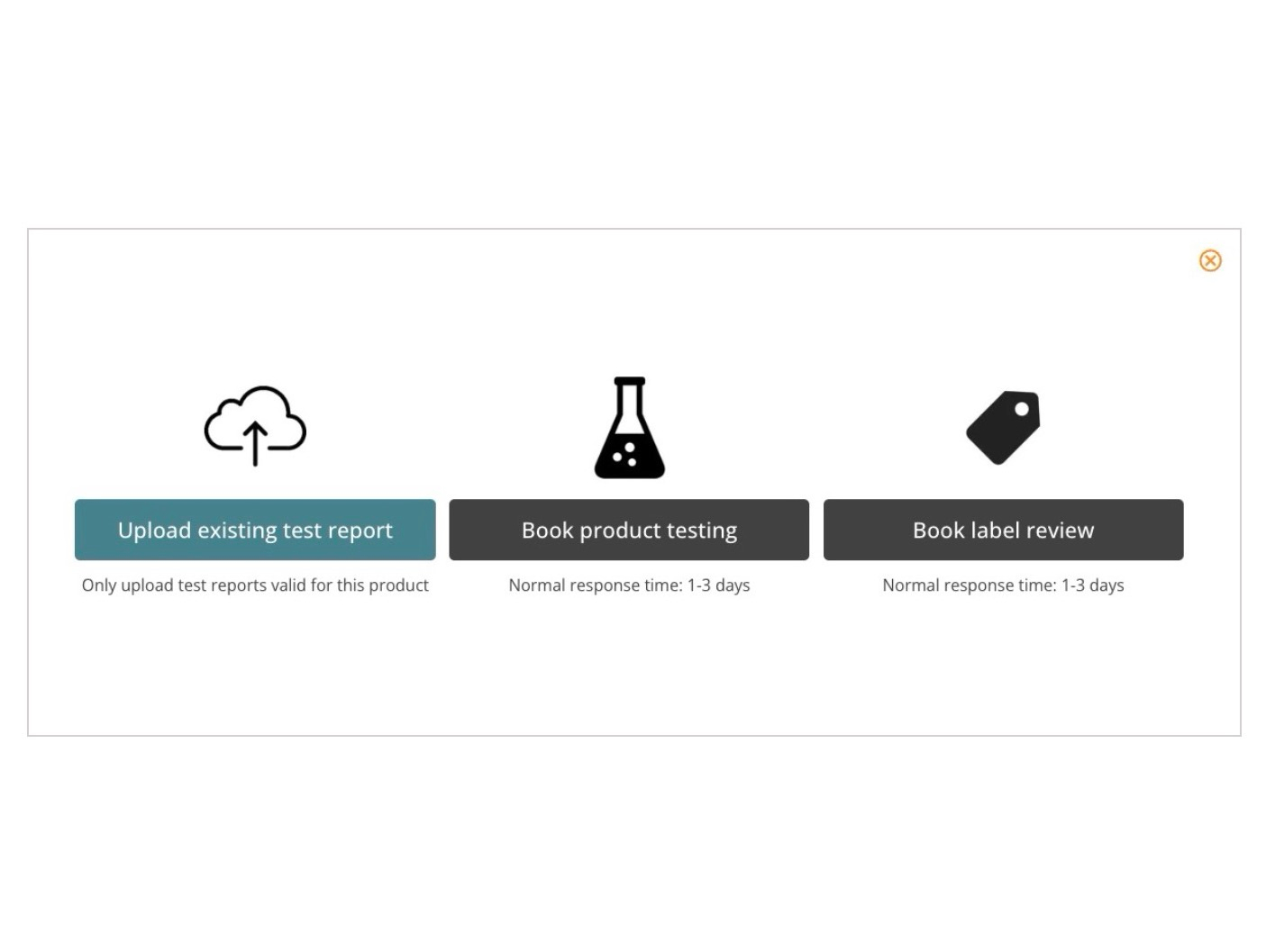
Step 4: Book CPSIA Lab Testing
Third-party testing with a CPSC-accepted lab is mandatory for all children’s products. You can book testing via the platform.
- Book testing in the US or Asia
- Compare prices
- Request free quotations
- Dedicated lab contact person
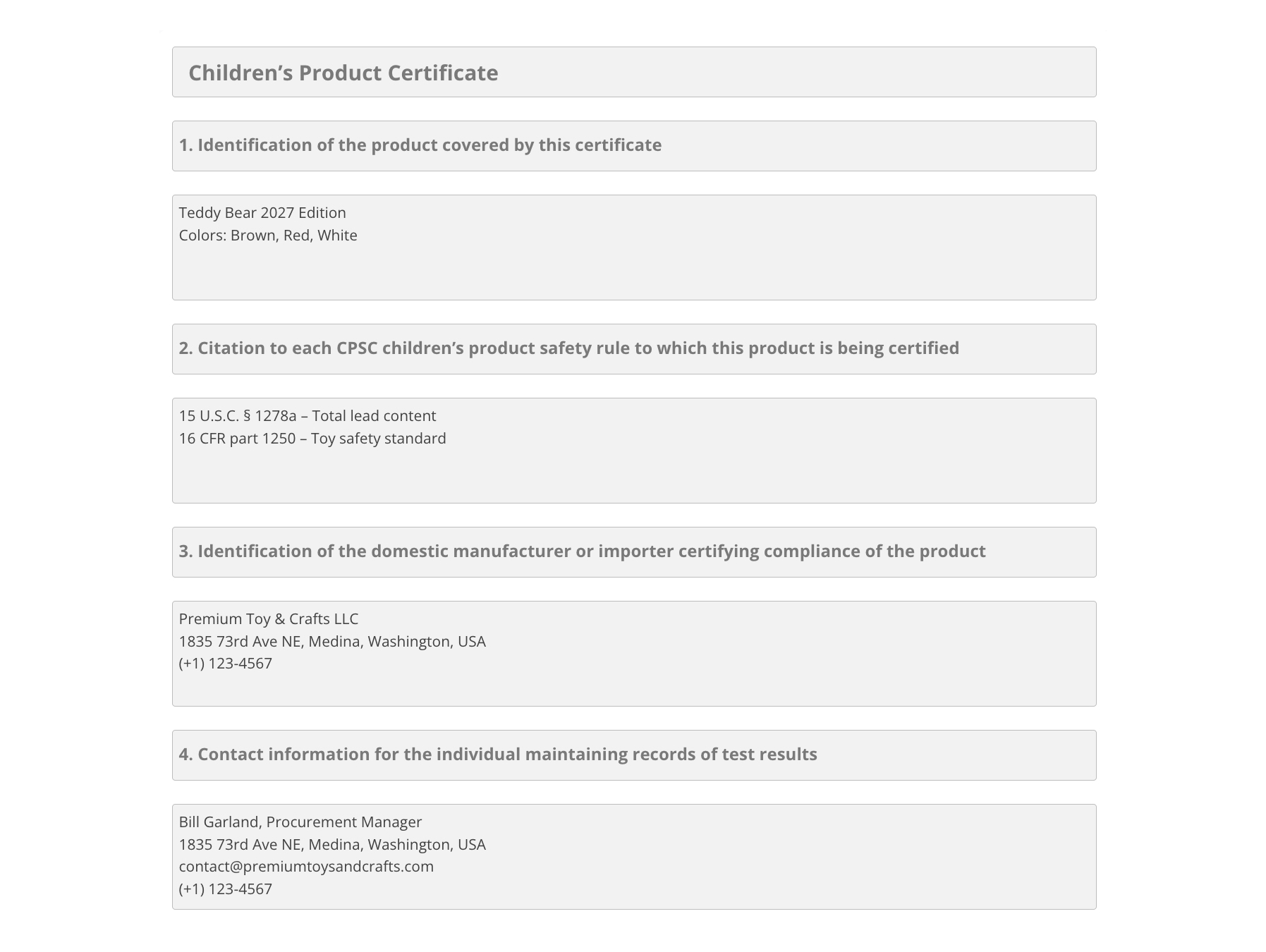
Step 5: Children’s Product Certificate (CPC)
Creating a Children’s Product Certificate (CPC) is mandatory for all children’s products. You can use the included template.
Note: The CPC information is required for eFiling
Other features
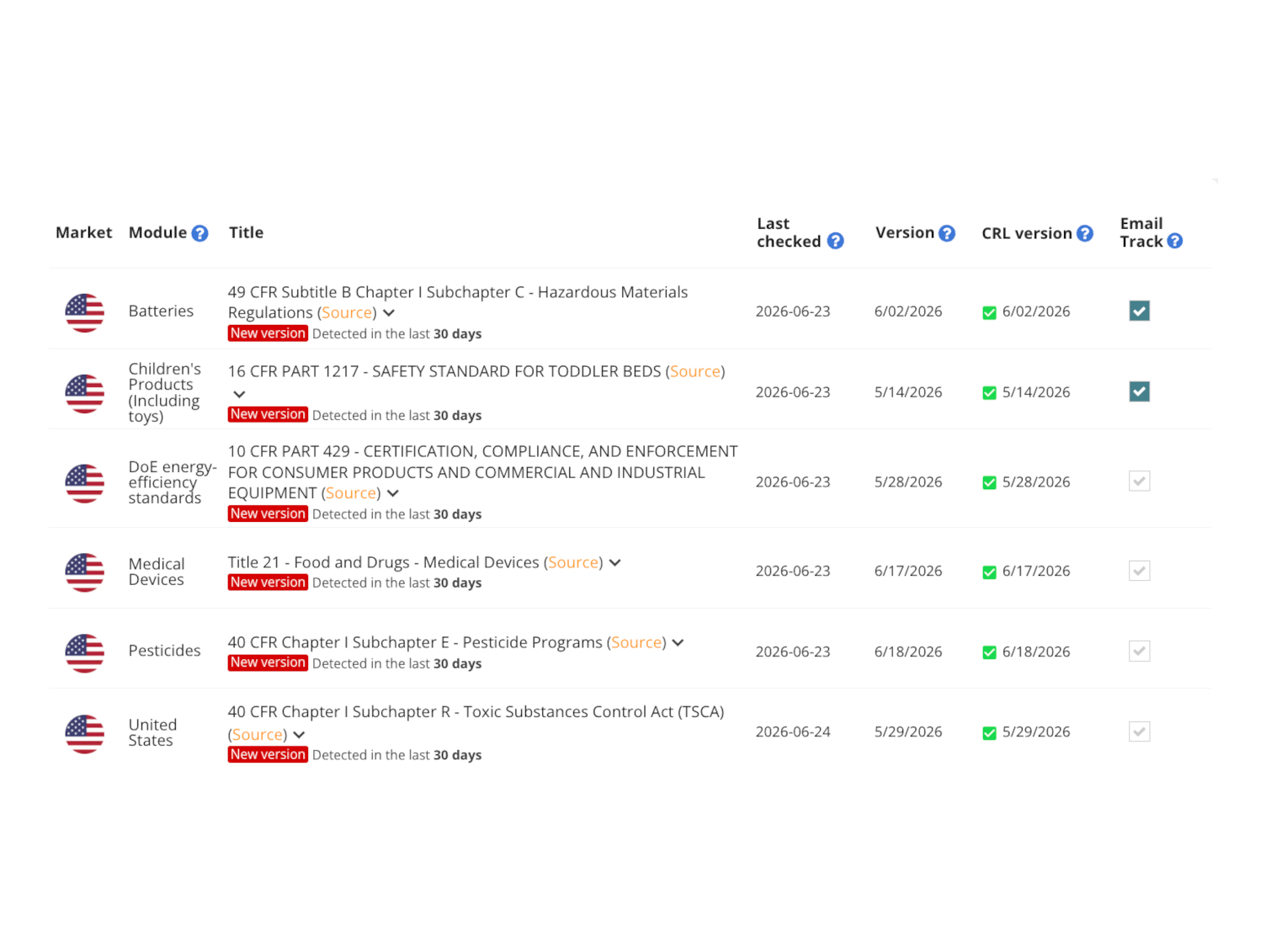
LexDatabase
Children’s product safety rules are often updated. The LexDatabase can help you track updates and set up alerts.
- Track upcoming regulations
- Track updates in the last 90 days
- We send email alerts
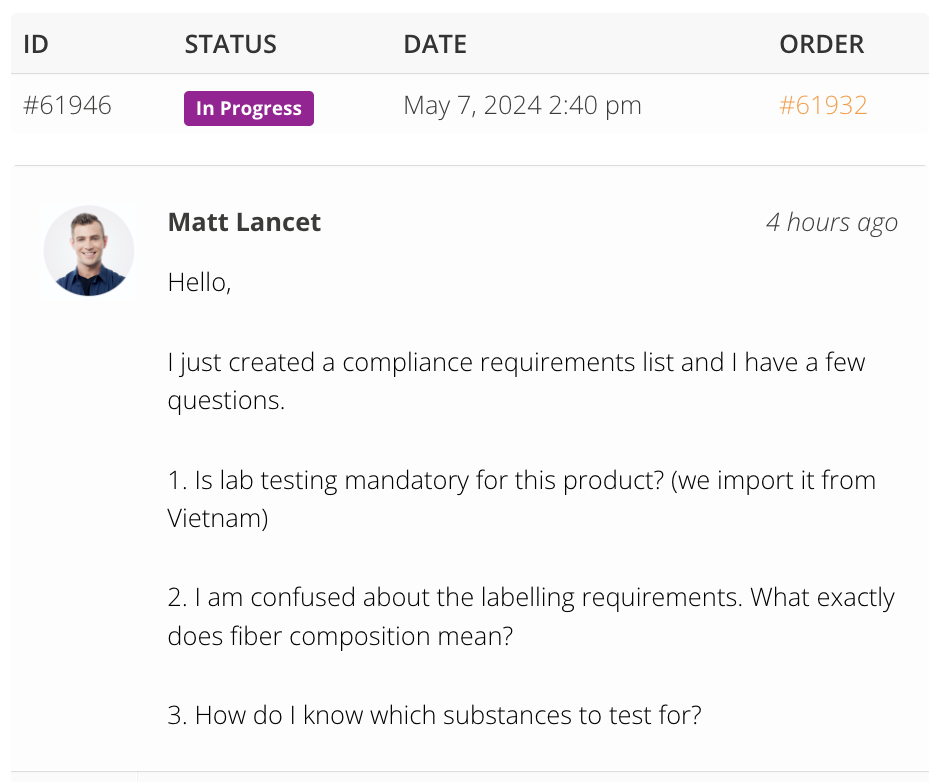
Support Tickets
You can ask questions about the CPSIA process and requirements to our support team
- Ask questions about CPSIA requirements
- Ask up to 5 questions per support ticket
- We normally respond in 1 to 2 business days
Note: The Compliance Gate Platform is continuously updated. Note that the video and the images may not fully reflect the current version of the platform.
FAQ
How can the Compliance Gate Platform help us with the CPSIA process?
The Compliance Gate Platform can help you with the following steps in the CPSIA process:
1. Identify mandatory children’s product safety rules
2. Create tracking labels using the templates
3. Create Children’s Product Certificates (CPC)
4. Book third-party lab testing
5. Track future and updated children’s product safety rules
You can also ask questions about the CPSIA compliance process to our team. We have years of experience with the CPSIA process for children’s products imported to or manufactured in the United States.
Why do I need to track new versions of children’s product safety rules?
Children’s product safety rules set ASTM standards and other requirements for toys and other types of children’s products. These rules are updated from time to time, which can result in:
a. New versions of ASTM standards may become mandatory
b. New labeling and documentation requirements
c. Updated substance restrictions
Updates have a direct impact on your product, which is why it’s essential to stay updated.
Can I manage the CPSIA process on my own instead?
Yes, you can find plenty of guidance and FAQs free of charge on the CPSC website. That said, the Compliance Gate Platform provides a visual interface where you can manage key steps of the CPSIA compliance process.
Does the platform cover the entire CPSIA process?
No, the platform does not cover the entire CPSIA compliance process. For example, children’s product safety rules set design requirements that the platform cannot implement on your behalf.
Doing so requires adjusting your product’s design and functionality to some extent.
Can we submit eFiling certificate data via the Compliance Gate Platform?
You can access the CPSC eFiling portal via the service page within the Compliance Gate Platform.
However, the actual registration and eFiling submission of certificate data takes place within the CPSC portal.